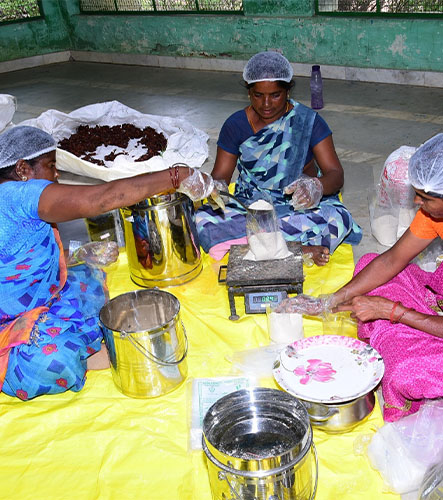
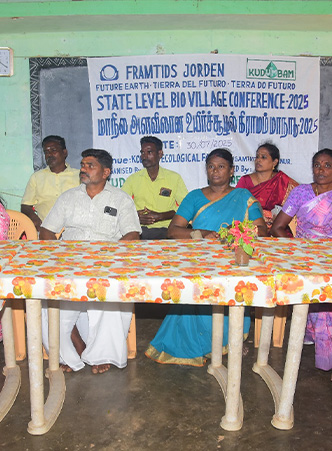
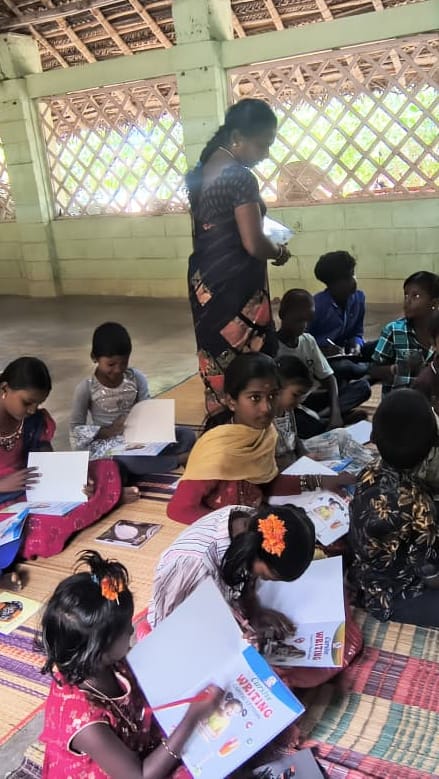

We plan and execute every initiative with care, clarity, and accountability. By setting clear goals and tracking outcomes, we ensure our actions deliver real.
Years Of Experience
Kudumbam has been working with communities in Pudukottai district since the beginning and our work in Nagapattinam districts, was initiated after the tsunami in 2004. Our vision is to strengthen vulnerable communities trough the building of a multi-stakeholder partnership for the preservation and regeneration of native flora and fauna, in order to ensure a sustainable livelihood. Which we at Kudumbam are reaching through different projects including Sustainable Biodiversity Conservation, Natural Resource Managment, Campaign and Advocacy, and Empowerment of Women and Children.
Kudumbam was founded in 1982 by Mr. Oswald Quintal, Dr.Nammalvar and Mr.Perianayagasamy when rural Tamil Nadu, India was passing through an agricultural crisis. The trade-off from the "Green revolution" in the 1960s led to a shift in land use from diverse cropping systems, to monocultures with heavy application of chemical pesticides and fertilizers. Irrigation slowly led to the depletion of ground water, and small farmers becoming more marginalized.
We plan and execute every initiative with care, clarity, and accountability. By setting clear goals and tracking outcomes, we ensure our actions deliver real.
Providing education, healthcare, and support programs that have positively affected
Every program we run is designed to address genuine community needs.
Our programs are thoughtfully designed to address real community needs, promote self-reliance, and create sustainable opportunities in education, etc.
Projects Completed
Kudumbam was founded in 1982 by Mr. Oswald Quintal, Dr.Nammalvar and Mr.Perianayagasamy when rural Tamil Nadu, India was passing through an agricultural crisis. The trade-off from the "Green revolution" in the 1960s led to a shift in land use from diverse cropping systems, to monocultures with heavy application of chemical pesticides and fertilizers. Irrigation slowly led to the depletion of ground water, and small farmers becoming more marginalized.